Daily Weather Alarm - Radar
X5 Network AreaWeather
3.049.00 Reviews
- Version
- 1.4.0
- Installs
- 100.00K
- Age Rating
- Everyone
Screenshots
Our Review of Daily Weather Alarm - Radar
 Analysis by Appyee
Daily Weather Alarm - Radar is best approached as a simple weather companion for people who want forecasts to fit into their daily routine, rather than as a full-blown meteorology toolkit. I like the idea of bringing weather checks and a daily alarm into the same app: it can make the forecast part of deciding what to wear, when to leave, or whether to adjust the day ahead. The trade-off is that a focused concept only works if the app’s practical details suit your habits. I would consider it a convenient option, but not automatically a replacement for a more detailed weather service.
Weather checks that fit into the morning
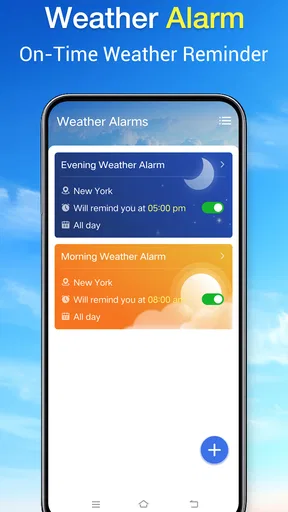
The name points to the app’s distinctive angle: a daily weather alarm, not just another place to glance at conditions. For me, that makes most sense as a small routine aid. Instead of remembering to open a forecast after waking, I can treat a weather check as part of getting ready. That is useful on changeable days, when a jacket, umbrella, or different departure time can make a noticeable difference.
There is a practical benefit to connecting weather with a regular cue. A forecast is only helpful if I see it before making plans, and a reminder tied to an existing habit can reduce the chance that I forget. I would still make the decision myself rather than treating an alarm as a guarantee that the day will unfold as expected. Weather changes, and a quick morning check cannot replace looking again before a long trip or an outdoor event.
As a weather app, it is aimed at everyday planning rather than specialist analysis. I would judge it by whether it helps answer ordinary questions promptly: should I take a layer, is a walk sensible, or do I need to allow flexibility? That is a more useful standard for a daily assistant than expecting advanced charts or professional forecasting tools from a product whose identity is built around a routine alarm.
Where the idea is most useful
Consider a weekday when I need to leave early and have a packed morning. If I already rely on a regular alarm, a weather-focused prompt can put the day’s conditions in front of me before I choose clothes or pack a bag. The value is not dramatic; it is the small reduction in friction. A forecast checked at the right moment can be more useful than a richer forecast I remember to open only after I am out the door.
It can also suit someone who walks, cycles, or takes public transport and wants a quick reason to reassess the commute. I would use it as an early nudge, then check a more detailed forecast when the decision matters—for instance, before committing to a long ride or an outdoor appointment. That two-step approach keeps the daily routine lightweight without pretending a single glance is enough for every plan.
A useful habit is to make the alarm early enough to leave room for a second check, not so early that it becomes noise. If the day involves travel between different areas, I would also avoid assuming that conditions near home represent the whole route. The app’s premise is strongest as a prompt for awareness; sensible planning still depends on checking the places and times that matter to you.
What its identity suggests—and what I would not assume
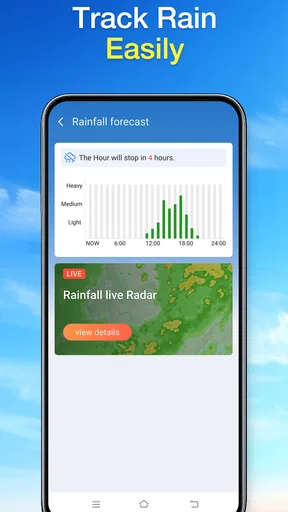
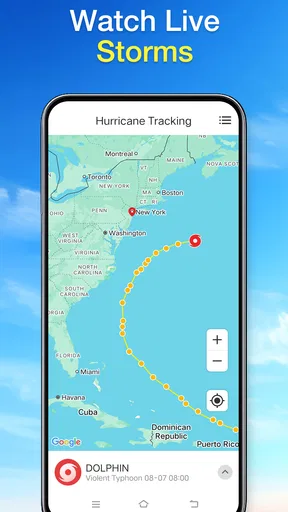
The “Radar” name may lead some people to expect a map-led experience or detailed storm tracking. I would not choose an app on that word alone. The clearest reason to consider this one is its daily-alarm framing, while anyone who needs to inspect a moving weather system should compare it directly with a service built around radar maps and near-term precipitation details.
That distinction matters because weather tools serve different jobs. A compact daily routine is convenient when I want a quick heads-up; an advanced forecast app is better when I need to compare hourly conditions, inspect a map, or plan around a narrow weather window. I would keep both approaches in mind rather than assuming one app should excel at every level of detail.
It is also worth deciding what you want an alarm to do before making it part of your routine. If you already check weather automatically, an extra prompt may add little. If you regularly forget until you are already dressed or outside, the reminder concept is more compelling. The usefulness depends less on the label and more on whether the timing changes a decision you would otherwise make without checking.
My honest reservations
The central limitation is that a daily alarm can become one more interruption. If its timing does not match your wake-up pattern, or if you receive many reminders already, the feature may feel like clutter rather than help. I would give the routine a fair trial and keep only the parts that genuinely influence my morning choices. A weather reminder should earn its place by saving effort, not simply by appearing every day.
There is another trade-off between simplicity and depth. People who want a single quick prompt may appreciate a focused experience, but frequent outdoor workers, travelers, and weather enthusiasts often need more context than a daily check can provide. For them, a dedicated forecast service with the specific views they rely on is likely a better primary tool. Daily Weather Alarm - Radar can still serve as a reminder, but I would not ask it to carry a decision that requires more detailed information.
Because weather information is inherently time-sensitive, I would also make a habit of checking again when plans are important or conditions are unsettled. That is not a flaw unique to this app; it is a sensible safeguard for any forecast. The practical test is whether the app gives you a useful reason to look, while leaving room to verify the details before acting.
Who should give it a try
The app is free, and its age rating is Everyone, so it is easy to consider for an everyday household routine. It is developed by X5 Network Area. The current version is 1.4.0, and it requires Android 8.0 or later. Those details make it relevant to Android users with a compatible device, though I would still decide based on the role I want the app to play: a morning prompt, rather than necessarily my only source for weather decisions.
Its average rating is 3.0 from 294 ratings, with 49 written reviews, while installs have passed 100K. I read that as a reason to set expectations carefully, not as a verdict on whether it will suit a particular person. A middling rating makes it especially sensible to test the routine for yourself and notice whether the alarm and weather check are genuinely convenient in your own schedule.
I would recommend trying it if you often forget to check the forecast before leaving, prefer a simple daily cue, and do not need to study detailed weather maps every time you open an app. It is less suited to someone who wants extensive forecast analysis, relies on highly specific short-term weather information, or dislikes recurring notifications. In those cases, a more comprehensive weather service—or simply a manually checked forecast—may fit better.
How I would make it part of a routine
I would start by linking the weather check to a real decision. Before leaving, ask whether the conditions change what you will wear, carry, or do. If the answer is usually no, the prompt may not be worth keeping. If it regularly catches a useful detail, it has earned a place in the routine. This simple test is more meaningful than opening the app out of habit without acting on what you see.
For a busy morning, I would keep the first check brief and use a second, more thorough look only when the day calls for it. A short walk to a nearby stop might need only a basic awareness of the conditions; a long outdoor outing deserves more deliberate planning. This division keeps a daily weather alarm from turning every morning into a forecast research session, while avoiding the opposite mistake of relying on too little information.
I would also be cautious about letting the word “alarm” imply certainty. A reminder can prompt a check, but it cannot decide whether a route is safe or whether an event should go ahead. When weather is central to a plan, use the app as the beginning of that decision, not the end. That is the most balanced way to get value from a routine-focused weather tool.
Final verdict: useful when the reminder is the point
My overall view is that Daily Weather Alarm - Radar has a clear, relatable purpose: bring weather awareness into a daily routine instead of leaving it to chance. That focus can help people who repeatedly discover the forecast too late to change their plans. Its appeal is practical rather than technical, and that is a fair niche for a free weather app.
I would try it if a morning prompt sounds more helpful than another feature-heavy forecast screen. I would skip it as my main weather tool if I depend on detailed maps, close timing, or extensive planning information. The best fit is someone who wants a convenient nudge, understands that forecasts deserve a second look when the stakes are higher, and is willing to keep the reminder only if it improves the day. For that audience, it is a sensible routine aid; for everyone else, a more detailed alternative may be the better choice.
Privacy and Permissions
See what permissions an app requests and how it handles your data.
- Location
- approximate location (network-based), precise location (GPS and network-based)
- Camera
- take pictures and videos
- Wi-Fi connection information
- view Wi-Fi connections
- Other
- view network connections, full network access, read sync settings, set wallpaper, control vibration, prevent device from sleeping, toggle sync on and off, set an alarm, Google Play license check
Verdict
Strengths of Daily Weather Alarm - Radar
- Get a quick forecast alongside your alarm routine.
- Radar maps help you monitor approaching weather.
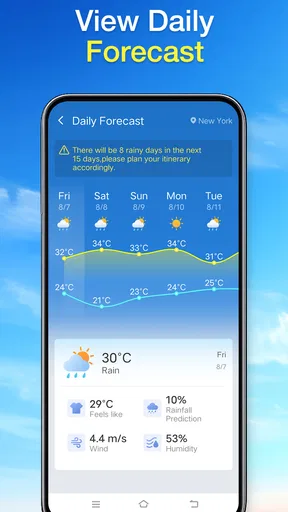
- Weather details can help with day-to-day planning.
- A useful mix of alarm and weather tools in one app.
- Forecast updates can help you prepare before heading out.
Limitations of Daily Weather Alarm - Radar
- Forecast accuracy can vary by location.
- Weather data may require an internet connection.
- Radar details may be limited in some areas.
- Frequent alerts can become distracting.
- Some features may depend on device permissions.
Other Releases by X5 Network Area
View All
Bible Verse:Daily Pray
Tools4.7
Similar Picks in This Category
View All
Weather - By Xiaomi
Xiaomi Inc.4.1

Weather & Radar Forecast
WetterOnline4.8

Weather
OneLouder Apps4.6

AccuWeather: Weather Radar
AccuWeather3.6

The Weather Channel - Radar
The Weather Channel4.6

1Weather Forecasts & Radar
OneLouder Apps4.3
Frequently Asked Questions
What is Daily Weather Alarm - Radar used for?
Daily Weather Alarm - Radar combines everyday weather information with alarm and radar features, helping you check conditions and plan your day from one app. Depending on the version and your device, it may provide forecasts, radar imagery, and weather-related alerts alongside alarm functions. Check the app listing and its current feature descriptions before downloading, since available tools and data can vary by version and region.
Does Daily Weather Alarm - Radar provide accurate forecasts and live radar?
Forecasts and radar displays depend on the app’s weather data providers, your location, and the strength of your internet connection. Radar imagery can help you follow precipitation, but it should not be treated as a guarantee of local conditions or a substitute for official severe-weather alerts. For important travel or safety decisions, compare the app’s information with trusted local weather services and confirm that location access is enabled.
Does the app need location access to show local weather?
Location access can let Daily Weather Alarm - Radar display conditions and forecasts for where you are, but you may be able to enter a city manually instead. Review the permission prompt and choose the option that matches your preferences; precise location may not be necessary if you only want forecasts for a fixed place. You can usually manage location permissions later in your Android or iOS settings.
Can I rely on Daily Weather Alarm - Radar to wake me up?
The app includes alarm functionality, but whether an alarm rings reliably can depend on device settings, operating-system restrictions, battery optimization, notification permissions, and the app’s current behavior. Test the alarm before relying on it for an important appointment, keep your device charged, and check that the app is allowed to run or sound alarms as needed. A separate backup alarm is sensible for time-critical mornings.
Is Daily Weather Alarm - Radar free, and what should I check before downloading?
Pricing, advertising, subscriptions, and in-app purchases can differ by platform, country, and app version, so check the current Google Play or Apple App Store listing before installing. Review the developer name, recent user feedback, compatibility requirements, and privacy disclosures as well. Weather and radar features may require an internet connection, while some permissions or optional services could affect how the app works.
